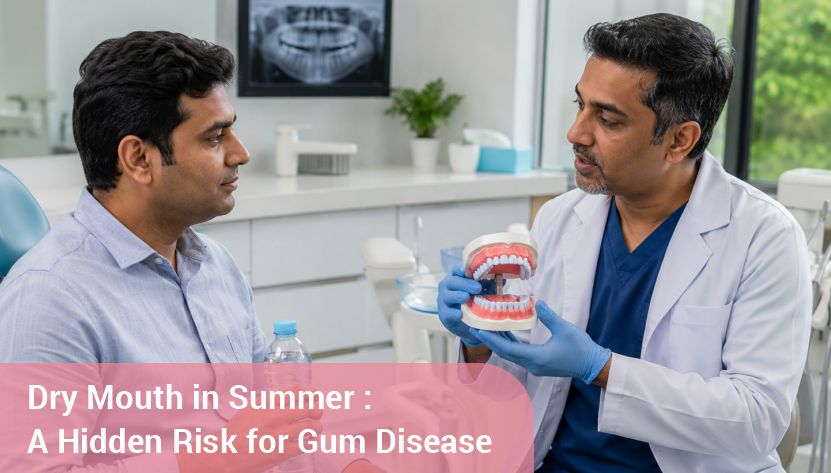
Most people
associate dry mouth with a temporary nuisance — the uncomfortable parched
feeling after a long speech or a morning cup of coffee. But dry mouth,
medically termed xerostomia, is far more than an inconvenience. When it
persists throughout the summer months, it becomes a serious and silent driver
of gum disease.
At June & Family
Dental Clinic, we see patients come in with bleeding gums, persistent bad
breath, and early signs of gum inflammation — and when we trace the cause, dry
mouth is frequently the culprit. This blog explains exactly why summer
increases your risk of dry mouth and what you can do to protect your gum health
before damage begins.
Understanding
Dry Mouth (Xerostomia)
Dry mouth occurs
when your salivary glands do not produce enough saliva to keep your mouth
adequately moist. Saliva is not just water — it is a complex biological fluid
that:
·
Contains
antimicrobial enzymes such as lysozyme and lactoferrin that kill harmful oral
bacteria
·
Maintains
the neutral pH balance in your mouth
·
Mechanically
washes away food debris and plaque
·
Provides
minerals like calcium and phosphate to remineralise teeth and protect gum
tissue
When saliva is
insufficient, this entire protective system collapses — leaving your gums wide
open to bacterial attack.
Why
Summer Increases Your Risk of Dry Mouth
- Dehydration from Heat and Sweating
Your body loses significant water through
perspiration in summer, especially during outdoor activities or in naturally
humid climates. When total body fluid drops, one of the first body functions to
be rationed is saliva production. Even mild dehydration — a level most people
don't consciously notice — can meaningfully reduce saliva flow.
- Air Conditioning
Ironically, the solution to summer heat — air
conditioning — is itself a dry mouth trigger. Air conditioners aggressively
remove moisture from the air, creating low-humidity indoor environments.
Prolonged time in air-conditioned offices, cars, and homes causes the mouth to
dry out faster, even if you are drinking adequate fluids.
- Alcohol and Caffeinated Drinks
Summer socializing often involves more
alcohol — cold beers, cocktails, and wine at gatherings. Alcohol is a potent
diuretic, increasing water loss and directly reducing salivary flow. Similarly,
increased consumption of iced coffees and energy drinks during summer delivers
caffeine, another known driver of dry mouth and dehydration.
- Antihistamines and summer Medications
Many people take antihistamines for summer
allergies — hay fever, grass pollen, and dust reactions peak in warm months. A
well-known side effect of antihistamines is significantly reduced saliva
production, often making dry mouth severe enough to cause noticeable gum
irritation.
- Mouth Breathing During Outdoor Activities
Exercise, swimming, cycling, and other summer
physical activities encourage mouth breathing. This dramatically accelerates
moisture loss from the oral cavity, leaving gum tissue dry, irritated, and far
more susceptible to bacterial colonization.
The Link Between Dry Mouth and Gum Disease
The connection
between dry mouth and gum disease is direct and well-established in dental
science:
·
Without
adequate saliva, bacterial plaque accumulates faster on teeth and along the gum
line.
·
Harmful
bacteria produce acids and toxins that inflame gum tissue, beginning the cycle
of gingivitis.
·
The
absence of salivary antimicrobial proteins allows aggressive periodontal
bacteria to colonise more easily.
·
Dry,
irritated gum tissue is more permeable, allowing bacteria to penetrate below
the gum line and trigger periodontitis.
Studies show that
patients with chronic dry mouth are significantly more likely to develop
advanced periodontal diseases compared to those with normal salivary flow. Left
unmanaged, this can lead to gum recession, bone loss, and eventual tooth loss.
Signs That Dry Mouth Is Affecting Your Gum Health
·
Gums
that look pale, dry, or feel sticky rather than moist and pink
·
Increased
plaque buildup despite regular brushing
·
Bad
breath that returns quickly after brushing, also called halitosis
·
Gums
bleeding with minimal pressure
·
Dry,
cracked lips or a persistent dry feeling in the mouth
·
Difficulty
chewing or swallowing dry foods
·
A
burning or tingling sensation in the gum tissue
Expert
Tips to Combat Dry Mouth and Protect Your Gums This Summer
Stay Consistently Hydrated
Aim for a minimum of
2–2.5 liters of water daily in summer, and increase this during physical
activity. Sipping water regularly throughout the day maintains a baseline of
salivary flow.
Use a Humidifier Indoor
If you spend
significant time in air-conditioned environments, a small desktop humidifier
can restore moisture to the air and reduce oral dryness.
Choose Saliva-Stimulating Foods
Crunchy vegetables
like carrots, celery, and cucumber naturally stimulate saliva production.
Sugar-free gum or lozenges containing xylitol are also clinically proven to
increase salivary flow.
Limit Alcohol, Caffeine, and Sugar Drinks
Replace alcoholic
and caffeinated drinks with water wherever possible. If you do consume them,
drink a glass of water alongside to offset dehydration.
Use an Alcohol-Free Mouthwash
Standard mouthwashes
often contain alcohol, which worsens dry mouth. Choose an alcohol-free,
fluoride-based mouthwash specifically formulated for dry mouth sufferers.
Speak to Your Doctor About Medications
If antihistamines or
other medications are causing dry mouth, ask your doctor about alternatives or
dosage adjustments. Never stop prescribed medication without medical advice.
Maintain Rigorous Oral Hygiene
With reduced saliva,
your oral hygiene routine must compensate. Brush after every meal, floss daily,
and use a tongue scraper to reduce bacterial load.
Professional Treatment Options in June & Family Dental Clinic
If dry mouth is
persistent and affects your gum health, our periodontics specialists can
recommend:
·
Prescription
saliva substitutes and mouth-moisturizing gels
·
Professional
gum assessment to detect early-stage gum disease
·
Prescription-strength
fluoride treatments to protect exposed root surfaces
·
Customized
oral hygiene plans for dry mouth patients
Frequently Asked Questions
Q1: Can dry mouth be permanent?
In many cases, dry
mouth is temporary and reversible once its cause is addressed. However, chronic
dry mouth from medical conditions or long-term medications may require ongoing
management with dental and medical professionals.
Q2: Does drinking more water cure dry mouth?
Hydration helps, but
does not always fully resolve dry mouth, especially if the cause is
medication-related or linked to a medical condition. Saliva substitutes and
salivary stimulants may be needed alongside hydration.
Q3: Is dry mouth a sign of diabetes?
Yes, persistent dry
mouth can be an early warning sign of undiagnosed diabetes. If you experience
chronic dry mouth alongside increased thirst and frequent urination, consult
your doctor promptly.


.jpg)

.jpg)